Cheaper Than the Van
It proved cheaper staying in Morocco than running a van and paying for decent campsites in Spain.
This one looks back at a month in Morocco.
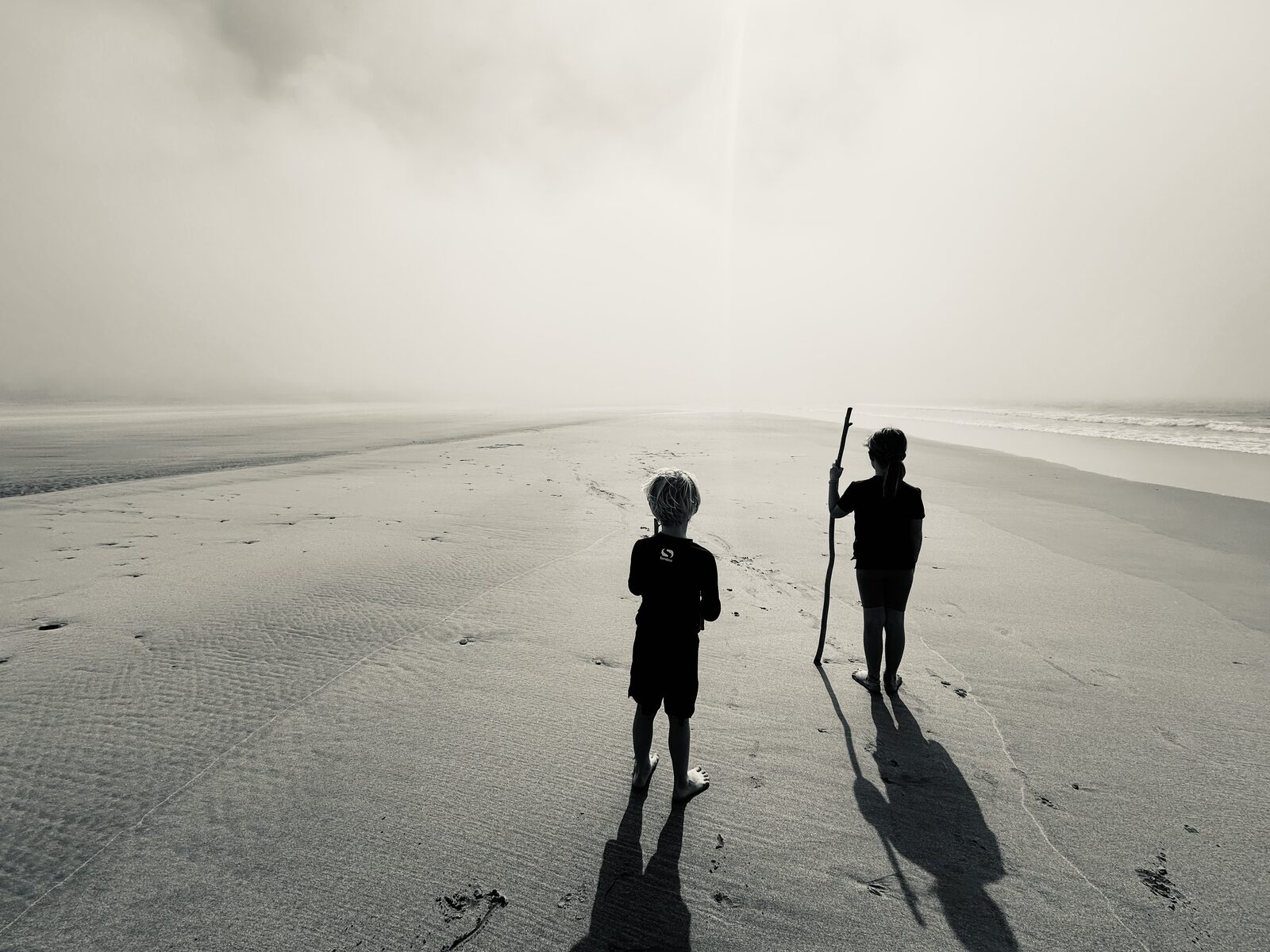
We chose Asilah on the recommendation of a friend who grew up in nearby Tangier. After selling up in the UK and travelling in a camper van for the previous year, we were keen to pick a destination that would make living in one place easy for the next few months. Staying coastal for us meant maintaining the morning routine we had established in southern Spain, of long beach runs or yoga as the late October sunrise crept over the mountains. The warmth and the autumn sunshine hours made it a very desirable home, and being out of high season meant the town was peaceful and had kept its authenticity.
We stayed on a gated, guarded compound, a ten-minute drive from town. The complex itself felt a little tired, and eerily quiet outside weekends and holidays, but the grounds were beautifully maintained by tireless cleaners and groundskeepers. There were five swimming pools for the kids to choose from, as well as the Atlantic Ocean at the bottom of the compound. When the surf was up the kids learned to bodyboard, and when the tide was out there were rock pools to hunt in. The endless expanse of beach was quite unlike any I had been on before, and when the wind whipped it up you could believe that you were already in the Sahara itself. The secure compound was comforting at first, but sometimes felt uncomfortably segregated.
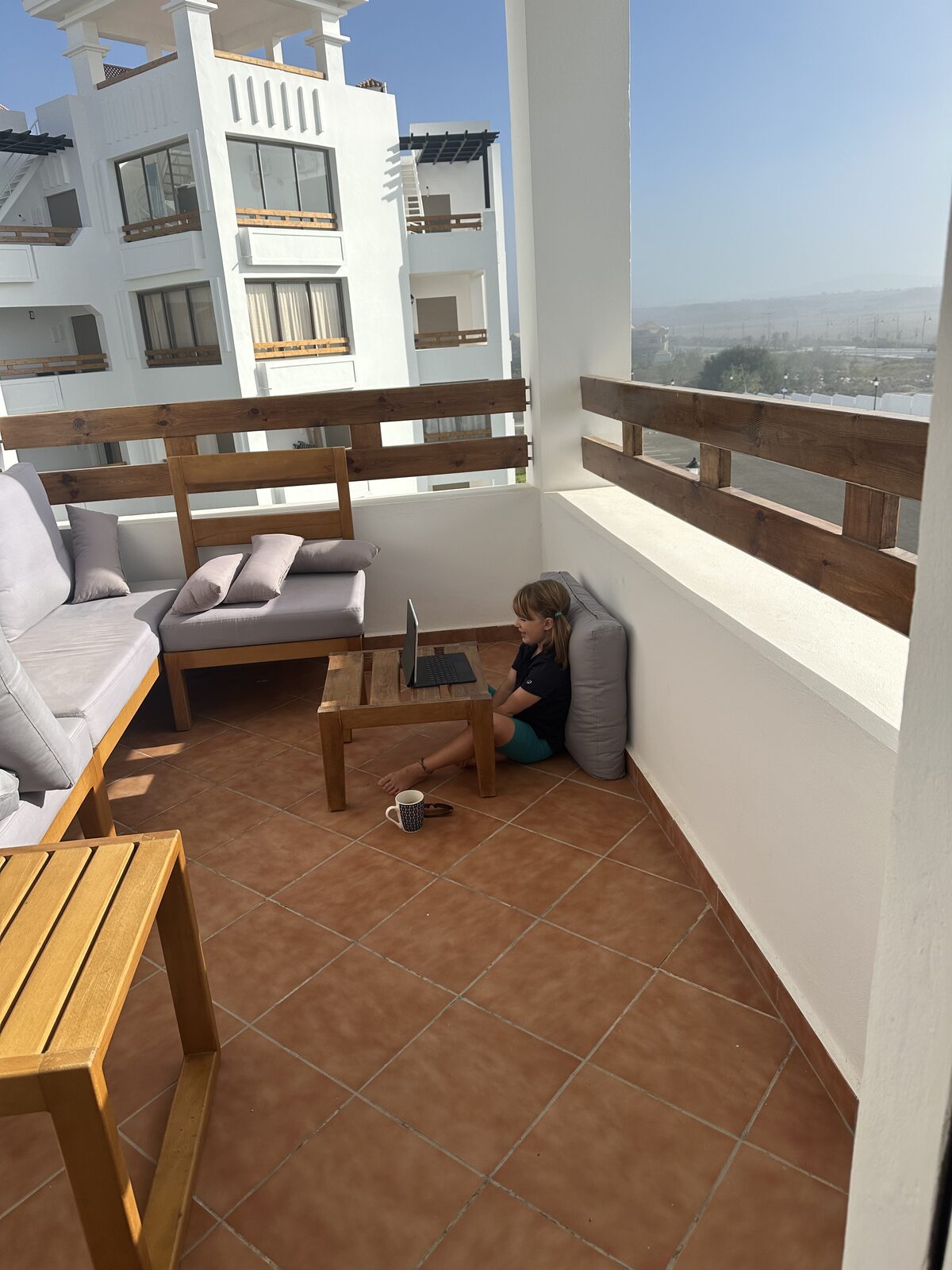
The one-bedroom, open-plan apartment we rented from a local Moroccan on Airbnb wasn’t big (approximately 75 sq. metres), and every night we had to make up the two sofa beds in the living room for the kids. But having our own bathroom and a well-equipped kitchen, complete with a washing machine, felt like luxury after living in a camper van. Booking a month at a time earned us a generous discount on the platform. At £20 a night on average, it proved cheaper staying here than running a van and paying for decent campsites in Spain (about £620 a month, against roughly £850 for campsites).
Being on a corner, the apartment had a dual aspect, which increased the natural light in all the rooms and the privacy outside on the two balconies. Both were covered, so they were usable in all weathers — not that we saw much rain — and that outside space contributed significantly to our sense of wellbeing. It gave us somewhere to eat all of our meals, relax, work, play and dry our clothes. Being able to pop to the beach several times a day, with the difficulties of maintaining our five-bedroom house in Dorset still fresh in our minds, made life beautifully simple.
When we had had enough of our own company we would walk the 50-minute stretch along the beach into town. Frequent trips in, our empty backpacks ready to fill with produce, were necessary to see the highs and lows of daily life. There was a bus but the timetable was a little unpredictable, so we made our walk part of our intentionally slower pace of life. Jimmy’s command of French was invaluable here, taking our interactions from polite to casual and friendly. He was able to barter with taxi drivers, chat to locals offering us a ride, and help us enquire about local customs.
Shopping in the souks became our weekly entertainment, and we were constantly amazed by the abundance of fresh, locally grown pomegranates, avocados, walnuts and dates, which are often unaffordable at home. As the weeks rolled by we grew confident in navigating this loud, bustling space with the kids and soon found our favourite vendors, sometimes choosing to wait when a broom handle across the open doorway and the call to prayer signalled that they were at mosque and would be back soon. We knew who had the best dates, who kept a supply of decaf coffee, and who made the best amlou (argan, almond and honey spread). We could feel the community essence everywhere here: people stepping in to help each other, local farmers frequently arriving with their fresh supplies, men chatting to their brothers over bowls of hearty bissara (broad bean soup), and the simple trust in knowing that their shop would be as they left it when they returned from prayer.
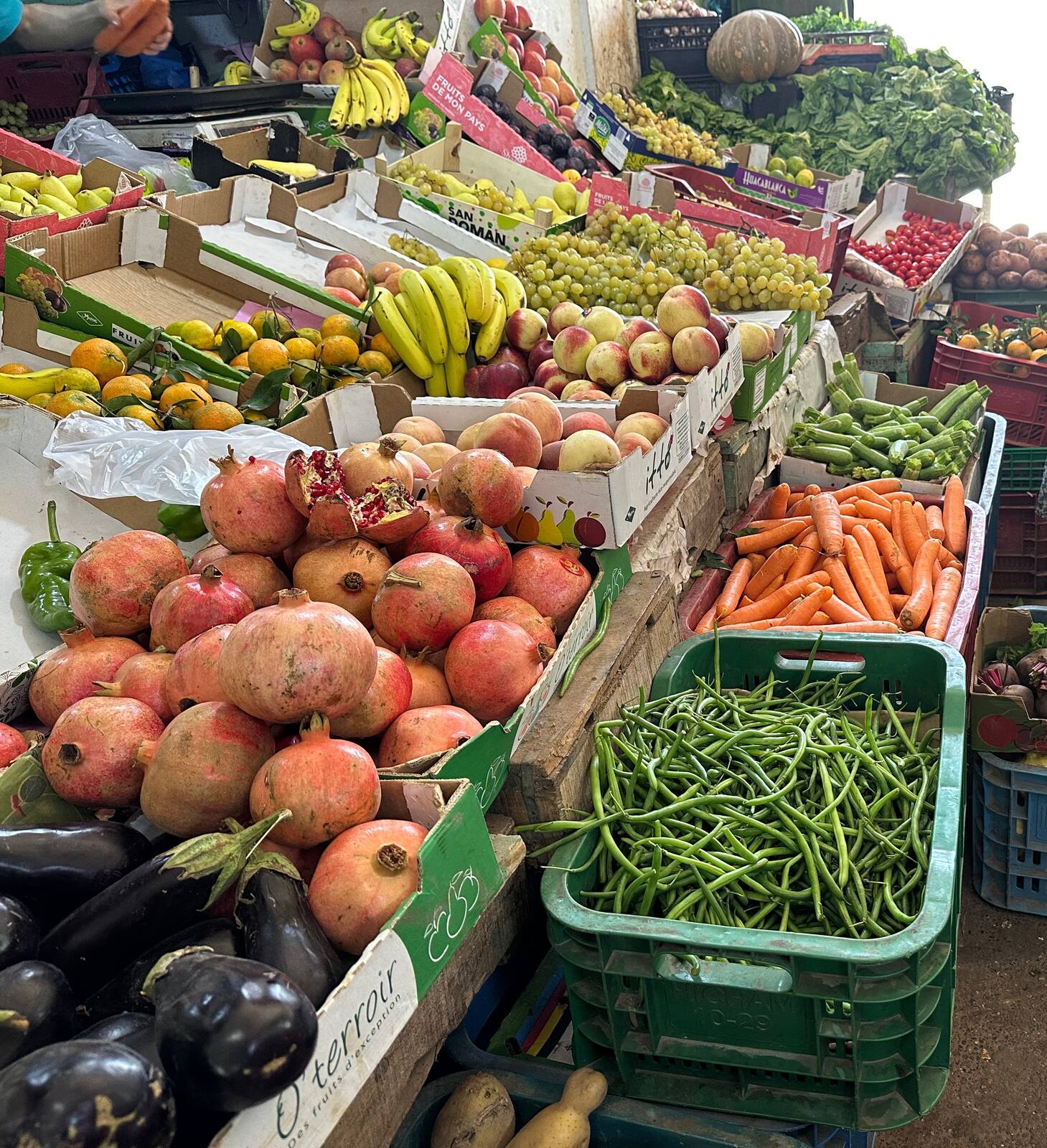
Eating a predominantly wholefood, vegetarian diet is often hard whilst travelling, but in Morocco it was a pleasure. Sackfuls of nuts and pulses, herbs and spices reinvigorated our love of cooking. For roughly £115 a week in cash, the four of us ate the freshest and best meals we have ever eaten, without the need to bulk buy or order online. Jimmy returned to weekly bread making, using the rough wholewheat and semolina flours to attempt to recreate some of the delicious local breads we had come to love. Olives and olive oil were a cheap and enriching staple rather than an expensive luxury, and we could use fresh herbs and lemons in abundance.
It was hard for me to adjust to life here as a woman. Understanding little about Islamic culture, I dressed modestly and devoured fiction written by Moroccan female writers in an attempt to better educate myself. As a white, western woman who grew up in a liberal culture, it was hard not to feel self-conscious at times, even on the beach in my swimsuit, or being the only woman in a sea of men in the cafe at lunchtime. Men dominated life here. The small rural town made the contrast all the more dramatic out of season, so an occasional short train ride (roughly £13) into the cosmopolitan city of Tangier helped balance this out. Here we found the old medina with all its ancient traditions sitting alongside the westernised city, where women were commonly seen in modern dress. We chatted to a fellow Englishman, the first native English speaker we had met in several weeks, as we stepped off the platform to find Starbucks and McDonald’s. It was comforting, and slightly disappointing.
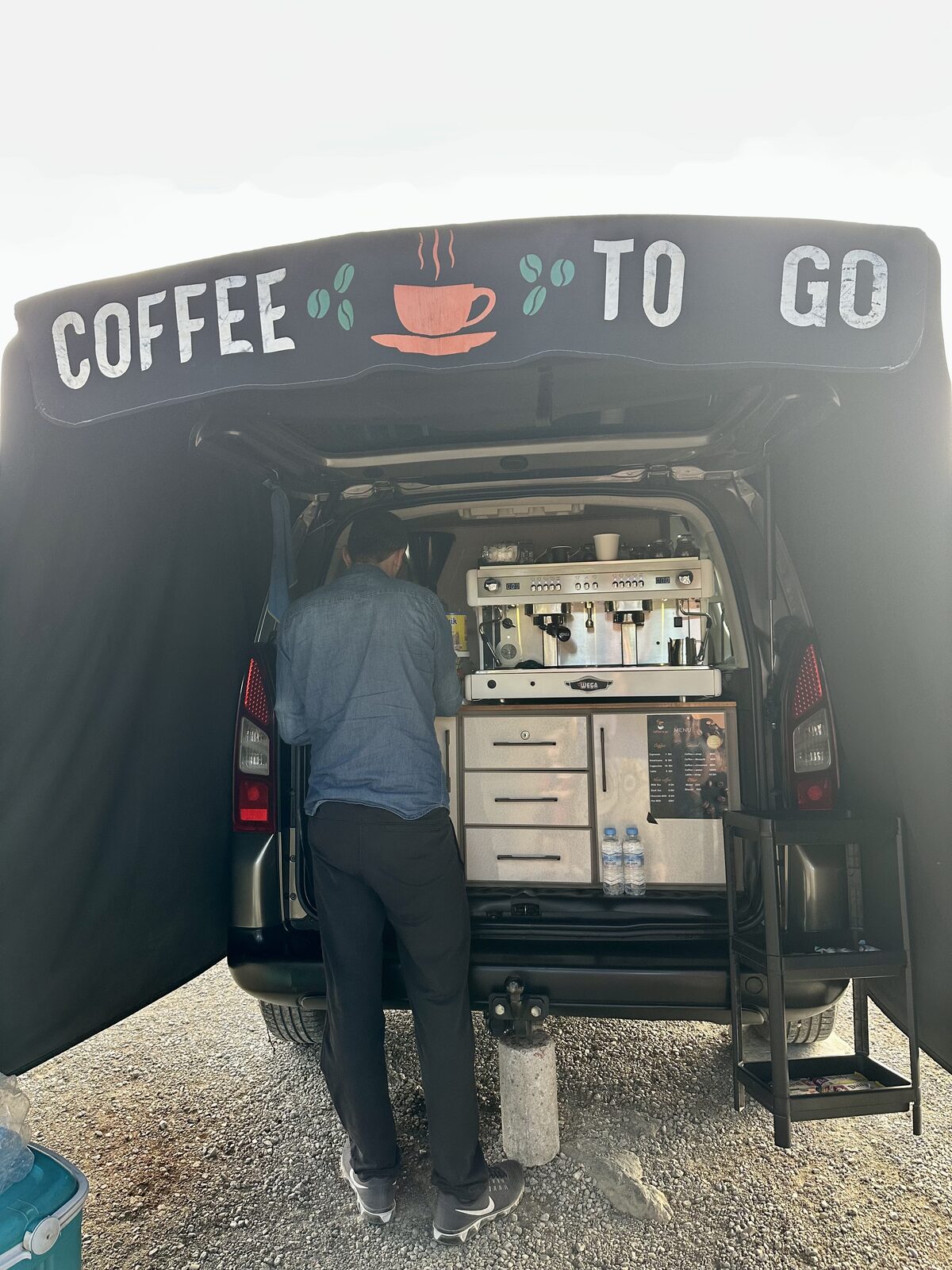
Our biggest spend was a weekend in the Rif mountains. The car hire at £30 a day was reasonable, but to save paying the £24 a day charge to rent two booster seats, we decided to buy our own and then carry them with us for future trips. It was worth it, allowing us to visit Martil on the Mediterranean coast, Chefchaouen and the Akchour waterfalls. We stopped on the roadside to drink a £1 espresso made on a barista coffee machine, as the man proudly showed Jimmy how he had rigged up his rooftop solar panels to power the battery in the back of his Citroën Berlingo. Further on, we pulled over to give money to the children working at the side of the dual carriageway, in exchange for the fruit they had picked that morning. And we learned about life in the ancient Berber community, driving through the mountains and stopping to buy biscuits from the old women baking them in clay ovens built next to their shacks at the side of the road. These interactions were far more enriching than the tourist hotspots themselves.
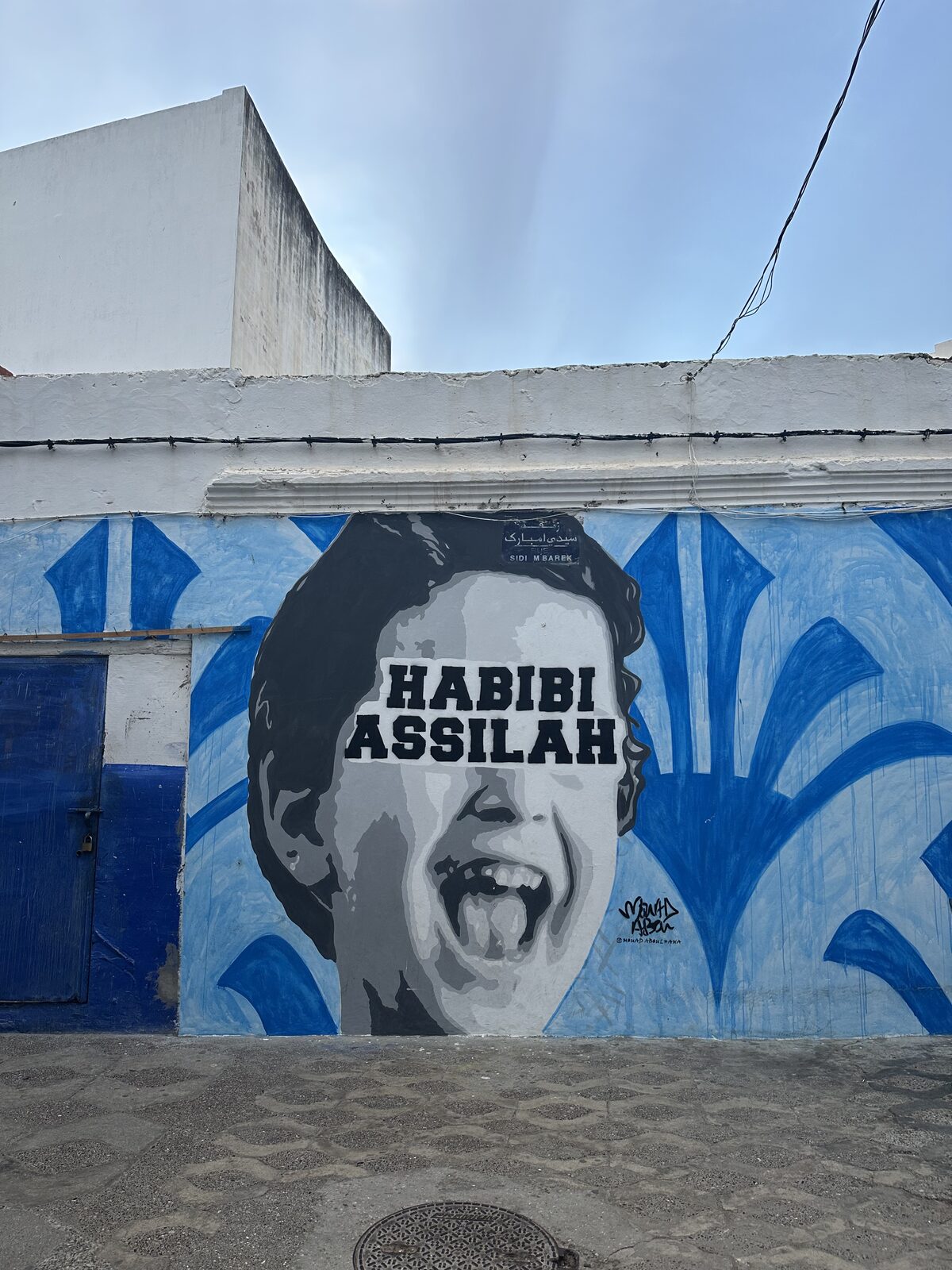
Asilah came to life on a Saturday evening, our preferred time to sit in the square with the other families out enjoying quality time together. Well-dressed women in beautifully matching hijabs and outfits would chat happily as they watched their kids play in the park. The food vendors would push their carts out to catch the passing trade, and we would find ourselves lured in by the freshly squeezed pomegranate juice or pots of steaming chickpeas, chatting to the teenagers who often spoke fluent English. Our nine-year-old adventurously tried the local snail speciality, of which Jimmy had optimistically purchased a whole pot. It was the best time to wander the whitewashed walls of the medina, admiring the crafts being handmade in front of us. When our legs got tired we would join others at a cafe for a traditional mint tea. As a now-familiar face popped up to deliver hot, roasted monkey nuts from his handwoven wicker basket, it was hard not to feel spellbound by Morocco, and this little town by the sea.
A letter on Sundays
A short letter from wherever we have landed: what we've been learning, what helped, and what I'm still working out.
If you would enjoy receiving a letter from me, I would love you to join me.