My story
Wellbeing first: my children's, and my own.
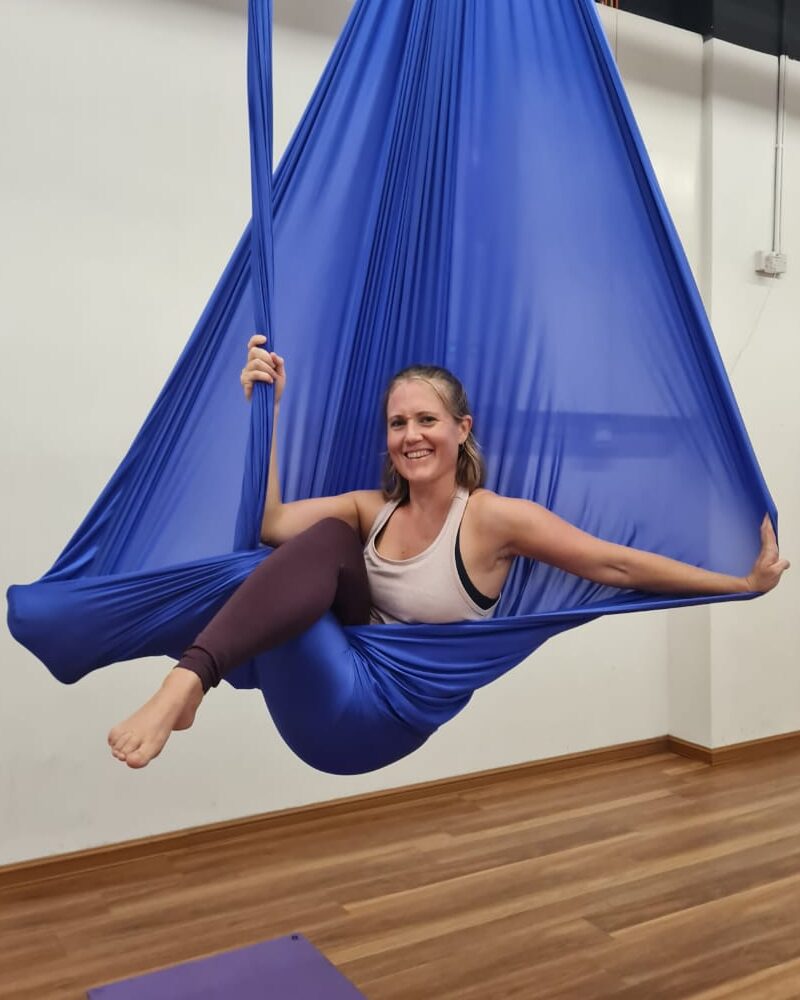
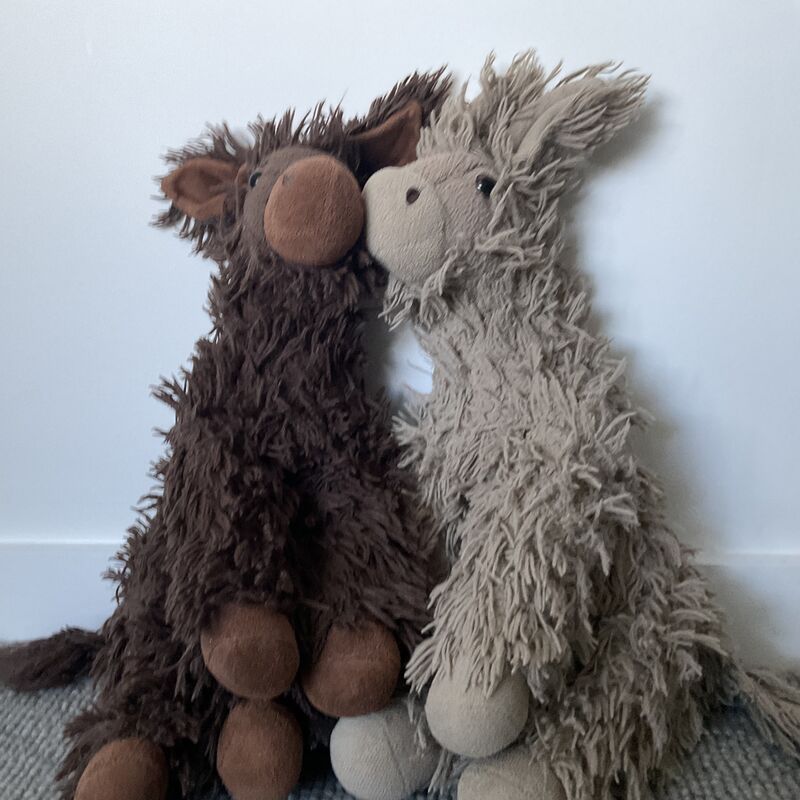
I'm Vikki. Originally from the UK, I am currently travelling full-time with my husband and our daughter and son. We live a minimalist, nomadic lifestyle, with two backpacks, an extra suitcase for my blender, and the kids' fluffy donkeys. Together we have spent a year living in a campervan in France and Spain, then travelled slowly through northern Morocco, Thailand, Malaysia, Indonesia and beyond.
Our nomadic lifestyle didn't start as an adventure. It started with one decision: to take our children out of the school system and home educate them. Finding ourselves suddenly going against the grain in a way we hadn't anticipated forced us to re-evaluate everything about how we were living as a family. I have learned how to thrive whilst living with significant health challenges, we have adapted our work to accommodate full-time parenting, and we have intentionally considered how we live, to get the most out of every moment. Each of these has been a steep learning curve for us.
A pharmacist, and a patient too
I worked as a pharmacist in NHS hospitals, ensuring the safe prescribing, administration and handling of medications. I enjoyed the training side of my role, teaching junior pharmacists, nurses and doctors, as well as providing patient care on the wards.
In 2015 I set up the Medicines Optimisation Service in Weymouth, which introduced the role of a pharmacist into GP surgeries to complete medication reviews with their most vulnerable patients. Conducting these reviews in patients' own homes was eye-opening. I would often leave carrying bagfuls of unused medications, the weight of the bags as heavy as the sadness I felt. These elderly patients were lonely, and as grateful to me for visiting them and having a chat as they were for my help with their burdensome regimens. As much as medicines can help, they can also cause significant harm, and this work reinforced how critical it is to find the balance between the two.
This role shaped my journey not only as a pharmacist, but as a patient too. When my own health deteriorated, I came to appreciate that being a concordant patient (one who works in partnership with their healthcare provider, towards shared goals) is not as simple as it sounds. Being too well versed in the long list of side effects of every medication I was prescribed, I often saw the nocebo effect (when negative expectations create real, physical symptoms) in all its force. But my scepticism grew not only from my training, but from multiple failed medications and doctor consultations where I felt dismissed or unseen. I often felt unable to advocate for my own health in the way I had tried to for my patients.
In the end I felt let down by the system I had spent years working in. I was sent bouncing from one doctor to the next, in search of answers to help cure the constant neurological symptoms that plagued me. I found myself with young babies I was unable to care for, a career I had had to leave behind, and a condition that the doctors named incurable and were unable to adequately explain or treat. I felt abandoned.
Taking back control
Since then, I have become my own guinea pig, searching for other wellbeing modalities to help. I have learned how to frame health in ways that my conventional medical training never covered, and to apply these techniques to myself. I have taken courses in meditation, studied yoga intensively for two years, and thought deeply about how these ancient practices fit with my scientific training.
I will never forget the hundreds of lives I saw saved by the medical interventions we have today: lifeless bodies being wheeled into the stroke ward, and the same people miraculously walking back out again. We are extremely good at saving lives in the West, using evidence-based pharmaceutical and surgical treatments to target acute trauma and disease. But I found it lacking in helping me to join up the dots between chronic physical symptoms and a lifestyle that is out of harmony. I do not have all of the answers, but I have regained a personal sense of strength, power and wellbeing through a blend of these approaches. I have taken back control, and now view physical symptoms as a signal that my internal system has tipped out of balance, not as an incurable condition.
Wellbeing first
These experiences taught me first-hand that prevention is always better than cure, and they became a driving force for putting our children's wellbeing ahead of conventional expectations. As uncomfortable as it was to turn our backs on the school system, we felt our children were suffering and we needed to take action. This has shaped our home education journey, from reinforcing our decision-making to ensuring our days are built around wellbeing first. We can do the role modelling that we want to, and focus our attention on the things that we value.
Learning out in the world
I am aware of the contradictions of my academic background, and the fact that I was "successful" in a system that I now question for my own children. I want them to have access to the education that they choose. For us now, that is home education. But I do not want them to be denied the university education that I was lucky enough to receive, should they want one, because we have chosen this life. This has driven me to think deeply about their learning out in the real world, and how their experiences help to shape the learners that they become. I have been researching and developing answers to the question of how we show what a child is learning out in the world.
Today I am developing LogRings (opens in a new tab) with my husband James, as our solution to the conundrum of measuring real-world learning. We do not wish to create a yardstick for this method of education, as nothing could ever quite capture the magic of learning in this way. But I know that if we continue on this path, the kids will need a record of evidence to show what they are capable of, because there is no getting away from the fact that our current world requires these pieces of paper, these forms of measurement.
Finding the learning
I found my way to writing because of the constant contradictions I find in my life. It helps me to reflect and find the learning in the paths that we have followed. I write about our experiences as a form of catharsis, and in the hope of inspiring and encouraging others.
When I'm not writing you'll find me experimenting with whole-food recipes with the kids, growing sprouts, practising yoga, or out exploring wherever we've landed.
A letter on Sundays
A short letter from wherever we have landed: what we've been learning, what helped, and what I'm still working out.
If you would enjoy receiving a letter from me, I would love you to join me.